Hey there, fellow animal lovers! Ayanda Dube here, your friendly neighborhood animal trainer, bringing you another tale from the wild side. Today, let’s delve into a fundamental aspect of animal training that often goes overlooked: body language.
At 27, I’ve spent a good chunk of my life understanding and communicating with animals, from our loyal canine companions to the majestic creatures of the African savannah. And if there’s one thing I’ve learned, it’s that words aren’t always necessary to convey messages – especially in the animal kingdom.
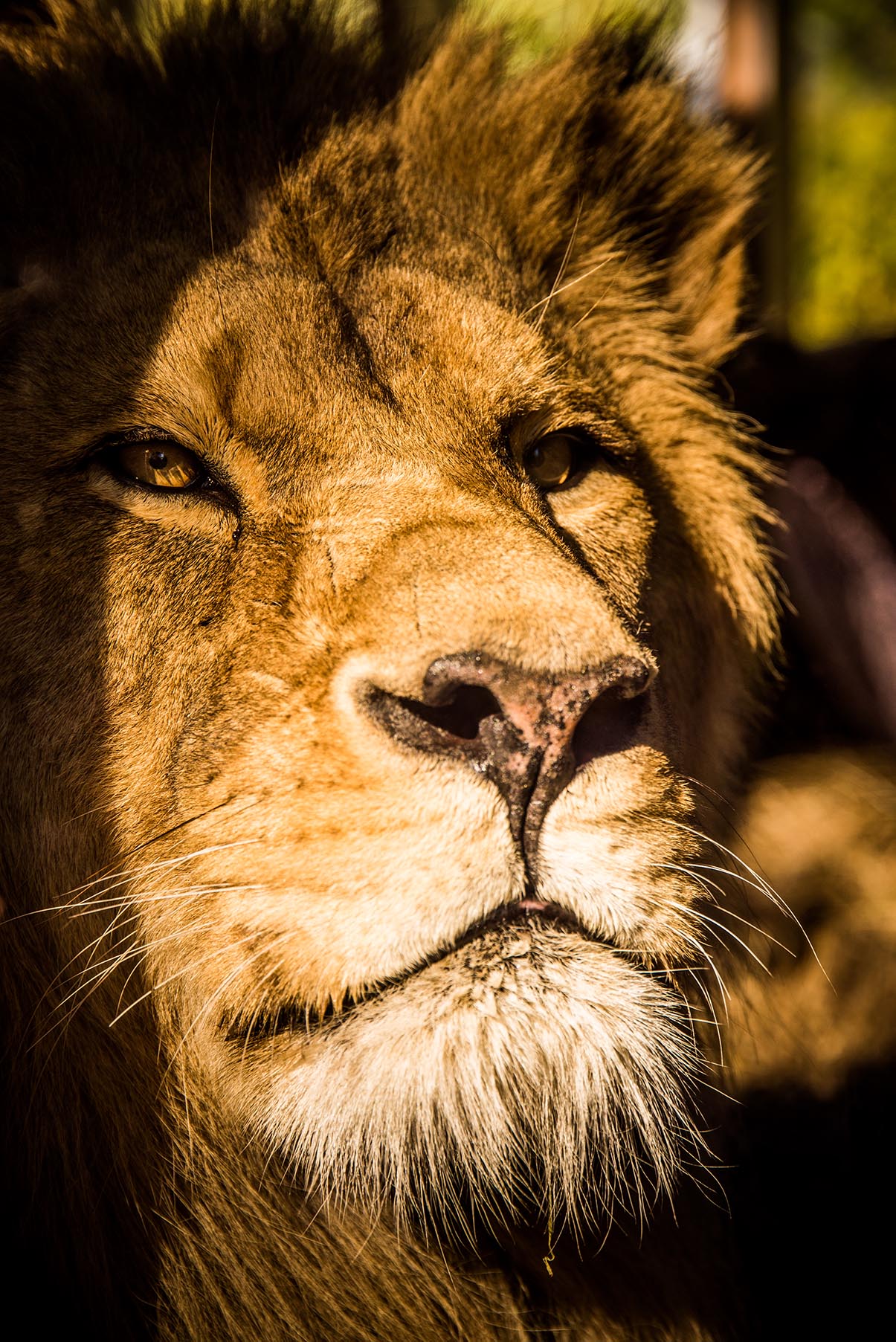
Picture this: you’re standing face to face with a magnificent lion, his golden eyes peering into your soul. There’s no common language between you, but his body tells a story – one of curiosity, tension, or perhaps even aggression. Understanding these subtle cues can mean the difference between a successful training session and a dangerous encounter.

In my line of work, mastering the art of reading body language is paramount. It’s the key to building trust, establishing boundaries, and forging meaningful connections with the animals we work with. Whether it’s a playful wag of a dog’s tail or the flick of a horse’s ear, every movement speaks volumes if you know how to listen.
But honing this skill isn’t something that happens overnight. It takes dedication, observation, and, most importantly, practice. That’s why I always recommend investing in training courses that focus on animal behavior and communication. Not only do they provide valuable insights into the intricacies of body language, but they also equip you with practical tools to apply in real-world scenarios.
Let me share a personal anecdote to illustrate the power of understanding body language in action. Last year, I was tasked with training a group of rescue dogs with varying temperaments. One particularly shy pup, Luna, seemed reluctant to engage with me during our initial sessions. Instead of pushing her beyond her comfort zone, I decided to take a step back and observe her body language.
What I discovered was eye-opening. Luna’s lowered tail, flattened ears, and averted gaze were clear indicators of fear and anxiety. Rather than imposing my will upon her, I adjusted my approach, using gentle, reassuring gestures to gradually build her confidence. Over time, her body language transformed – her tail began to wag, her ears perked up, and her eyes sparkled with newfound trust.
Today, Luna is thriving, thanks to the power of patience and understanding. And it’s moments like these that remind me why I’m passionate about what I do. By tuning into the silent language of animals, we can unlock a world of possibilities, fostering harmony and mutual respect between species.
So, fellow animal enthusiasts, I urge you to take a closer look – to listen with your eyes and feel with your heart. Because beneath the surface, amidst the flurry of fur and feathers, lies a universal language waiting to be understood. Are you ready to embark on this wild journey of discovery? Let’s talk training, one body language cue at a time.
Related Posts
